

Last Updated: November 12, 2026
Quick Summary
To measure for compression socks, use a soft tape measure in the morning before swelling builds, sitting with legs uncrossed. Record ankle circumference at the thinnest point, calf circumference at the widest point, and leg length from floor to the crease behind the knee in centimetres without rounding.
- Keep the tape snug when measuring, never pressing into the skin.
- Knee-highs stop at the crease behind the knee, while thigh-highs also need thigh circumference and stocking length.
- Athletes may need a tighter calf reading, so check the athlete size guide.
- Replace socks when fabric feels slack, the cuff no longer stays up, or thin patches appear.
- Re-measure if swelling changes, and wash gently with a premium wash bag.
Table of Contents
- How to Measure for Compression Socks: 3 Steps
- How to Measure for Compression Socks Knee High
- When to Replace Compression Socks
- Frequently Asked Questions
How to Measure for Compression Socks: 3 Steps
Knowing how to measure for compression socks starts with a soft tape measure, not your shoe size. Measure in the morning before swelling builds: sit with legs uncrossed and record ankle circumference at the thinnest point, calf circumference at the widest point, and leg length from floor to the crease behind the knee. Write each number in centimetres without rounding, then check our size guide and size chart.
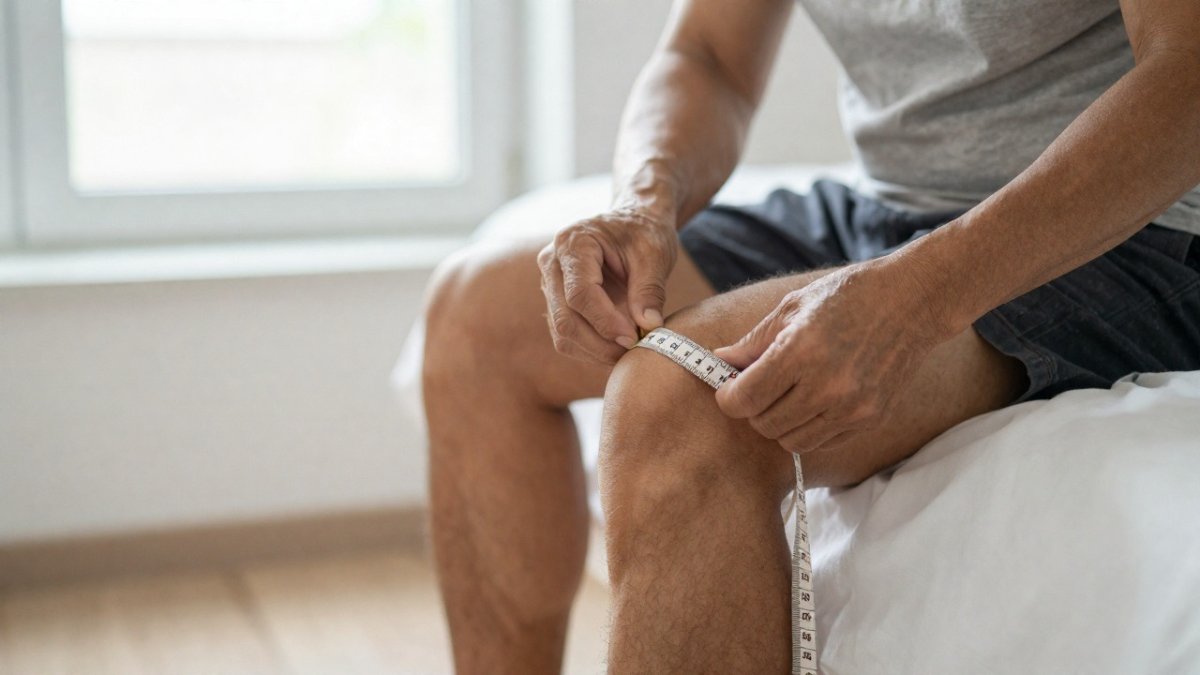
Keep the tape snug, never pressing into the skin.
How to Measure for Compression Socks Knee High
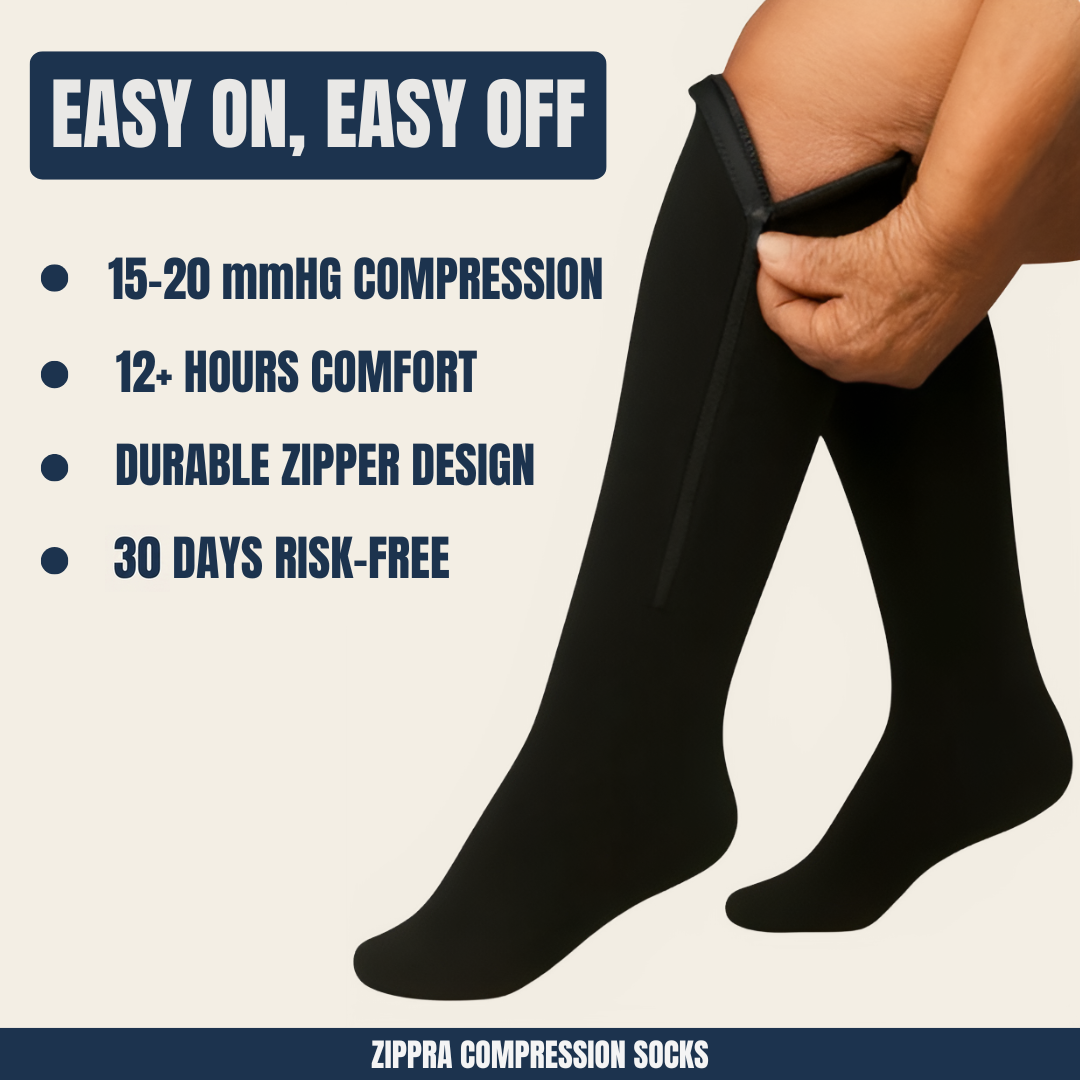
Knee-highs stop at the crease behind the knee; thigh-highs also need thigh circumference at the widest point and stocking length from floor to buttock fold. Athletes may need a tighter calf reading, see our athlete size guide. When ready, shop Zippra Compression Socks.
| Measurement | Where to Measure | Why It Matters |
|---|---|---|
| Ankle | Thinnest point above ankle bone | Sets the base fit |
| Calf | Widest point of calf muscle | Prevents rolling |
| Leg length | Floor to knee crease | Sets stocking length |
When to Replace Compression Socks
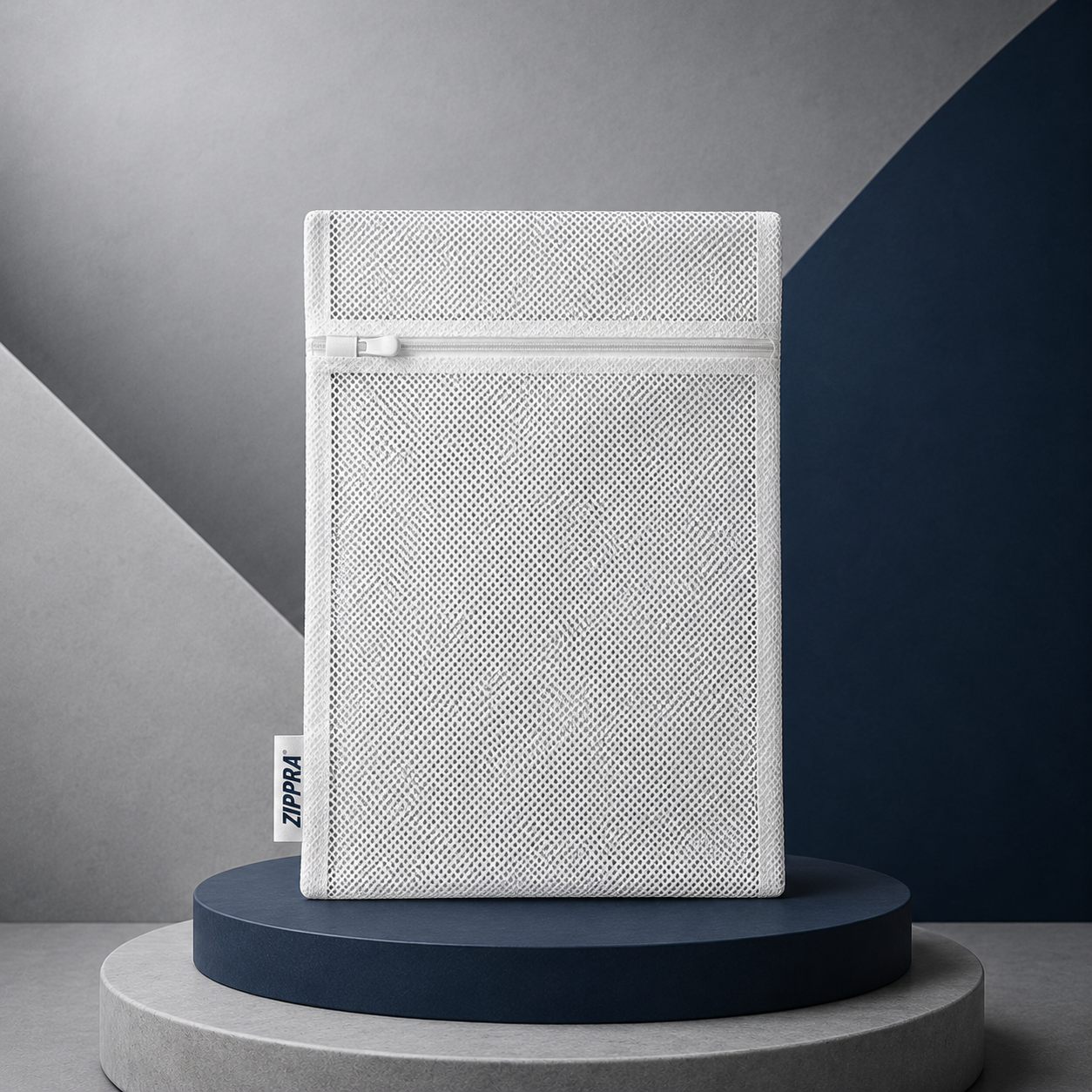
Replace socks when fabric feels slack, the cuff no longer stays up, or thin patches appear at the heel and ankle. Wash gently, our premium wash bag protects the fabric, and re-measure if swelling changes.
Leg swelling does not have to mean a daily struggle with stiff garments. Zippra Inc designs compression socks with an easy-on design for people with limited hand strength, backed by a lifetime warranty and a 30-day money-back guarantee. Get started with Zippra Inc and find a fit that supports you comfortably, day after day.
Frequently Asked Questions
Should I measure for compression socks in the morning or evening?
Measure in the morning, before swelling builds up through the day. Legs are at their baseline size after a night's rest, so morning numbers give the most reliable reading for a snug fit. If you measure in the evening after hours of standing, edema can add a centimetre or more to your calf and push you into the wrong size. Take both ankle and calf measurements at the same time of day, and recheck them if your swelling pattern changes.
How do I know what size of compression socks I need?
Size comes from circumference, not shoe size. Wrap a soft tape measure around your ankle at its thinnest point, just above the ankle bone, then around your calf at its greatest point. Match both numbers to the sizing chart for the brand you are buying. If your ankle and calf land in different rows, size to the calf for knee-high styles. Write these two measurements down before you shop.
What happens if compression socks are too tight?
A sock that is too tight can restrict venous return instead of supporting it, causing numbness, tingling, or a tourniquet-like crease below the knee. Compression is measured in mmHg, and a 20-30 mmHg sock on a calf that needs 15-20 mmHg is a common mismatch when people guess their size. If you feel pins and needles or the fabric leaves a deep mark, remove the sock and remeasure. A correct fit feels firm and snug, never painful.
